

Lyons Laboratory
Identifying new ways of preventing and treating cancers.
We are investigating ways in which cancer cells interact with each other to promote growth and metastasis, particularly in cancers that arise in the outermost layer of cells in tissues that protect us from the environment, including the skin, mouth and eyes. Treatment of these squamous cell carcinomas and melanomas often involves surgery and radiotherapy, which do not always work, and can leave survivors disabled and disfigured.
Our goal is to identify the genes and cell-to-cell communication pathways that enable malignant interactions between cancer cells. This will enable ourselves and others to design and identify new drugs that block the malignant interactions and which can then be further tested in experimental models.
We are also investigating new ways of treating blinding conditions that affect the cornea, our window to the world. We anticipate that our novel methods for transplanting regenerative corneal tissue to damaged eyes will help restore eyesight to sufferers of corneal blindness.


- Head and neck cancer
- Oral cancer
- Skin cancer
- Cornea cancer
- Eye cancer
- Molecular biology
- Microscopy imaging
- Genetic models of diseases
- Self-organized centripetal movement of corneal epithelium in the absence of external cues
- Syngeneic animal models of tobacco-associated oral cancer reveal the activity of in situ anti-CTLA-4
- Assembly and activation of the Hippo signalome by FAT1 tumor suppressor
- Tracing the fate of limbal epithelial progenitor cells in the murine cornea
- Snail up-regulates proinflammatory mediators and inhibits differentiation in oral keratinocytes
People
-
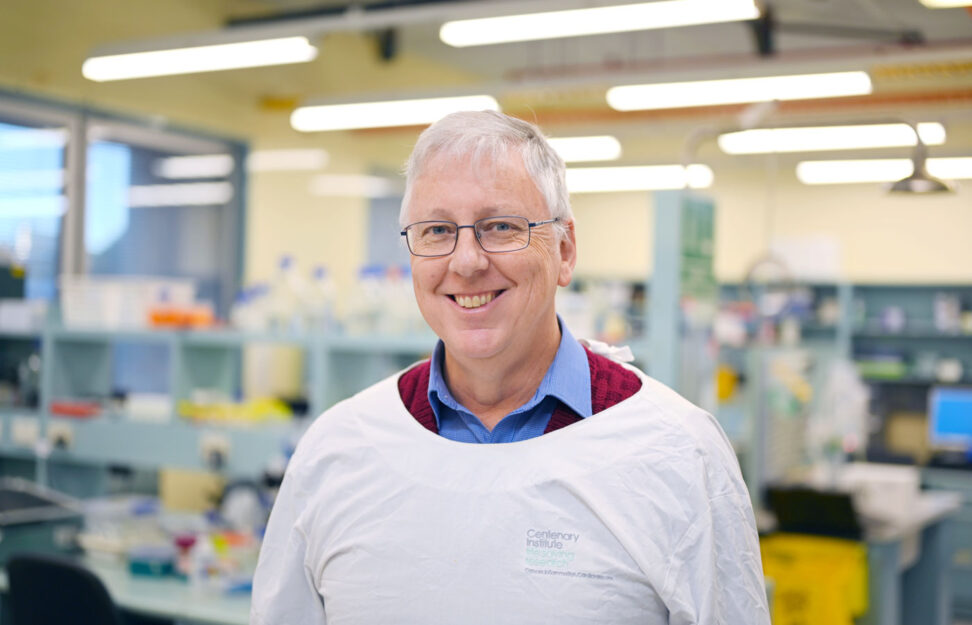
Associate Professor Guy Lyons

-
Dr Mojdeh Abbasi
Postdoctoral Scientist
-
Dr Thuy Luong
PhD Student
-
Hannah Madanowski
Research assistant
Student opportunities
Current opportunities are below. To learn more and for all general enquiries relating to our work, please contact Associate Professor Guy Lyons.
The evolution of cancer cell clones
Projects: Honours or PhD
Project details
Primary Supervisor: Associate Professor Guy Lyons
Supervisory Team: Guy Lyons, Mojdeh Abbasi
Centre: Cancer Innovations
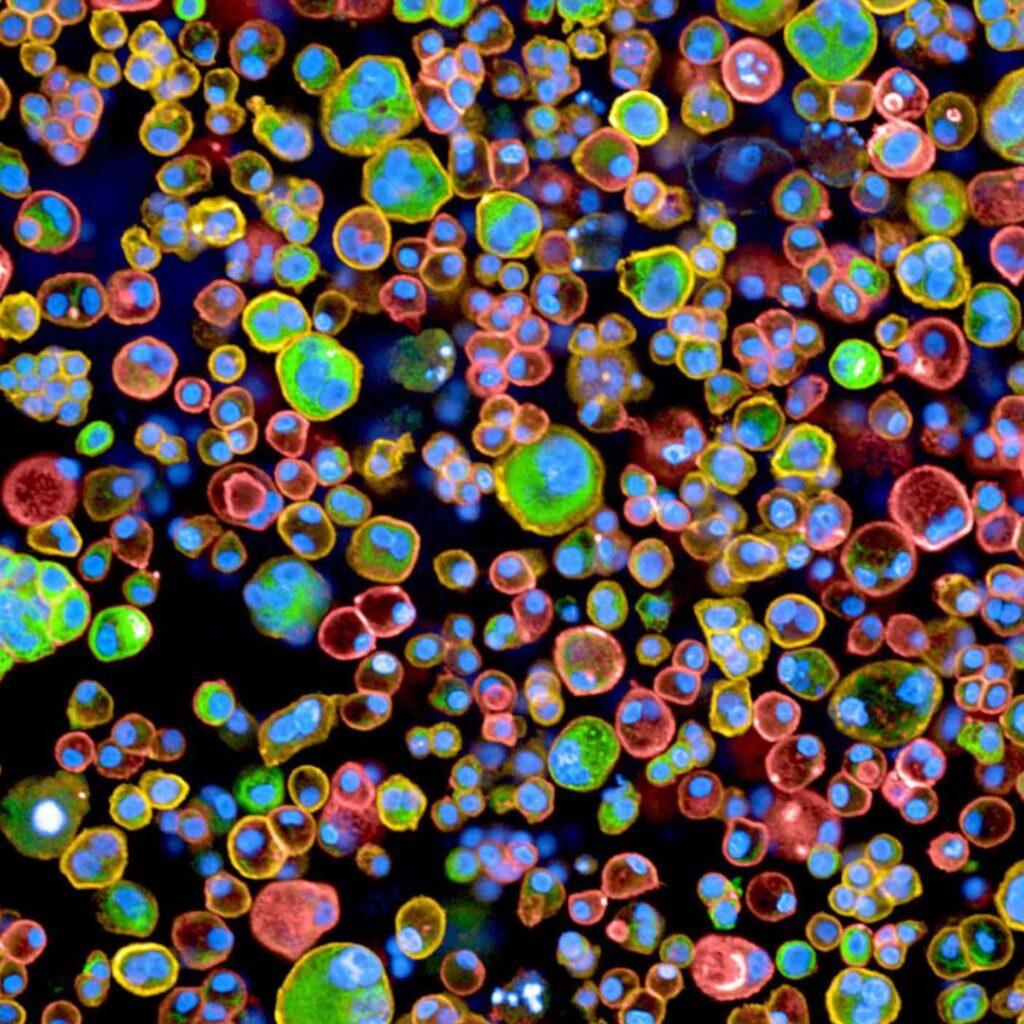
Cancers are causes by mutations in key regulatory genes that promote tumour growth and dissemination. Most tumours are multiclonal, being comprised of cells that have different mutations from other cells within the tumour. It is known that a high level of this genetic heterogeneity predicts poor patient outcomes, but the reason is not known. One possible reason is that different clones within a tumour have complementary mutations that enable them to behave more malignantly when they are together than when they are present as individual clones. This project investigates the role of symbiotic interactions between clones of cells in driving tumour progression. It uses live cell microscopy, molecular analyses and gene editing to identify what types of genes can interact in different individual cells. Computer simulations are used to predict the effects of these cell-cell interactions on the population of cells as a whole, and how they affect the clonal evolution of the cells.
Treatment of corneal blindness using stem cells
Projects: Honours or PhD
Project details
Primary Supervisor: Associate Professor Guy Lyons
Supervisory Team: Guy Lyons, Seaky Lim, Mojdeh Abbasi
Centre: Cancer Innovations
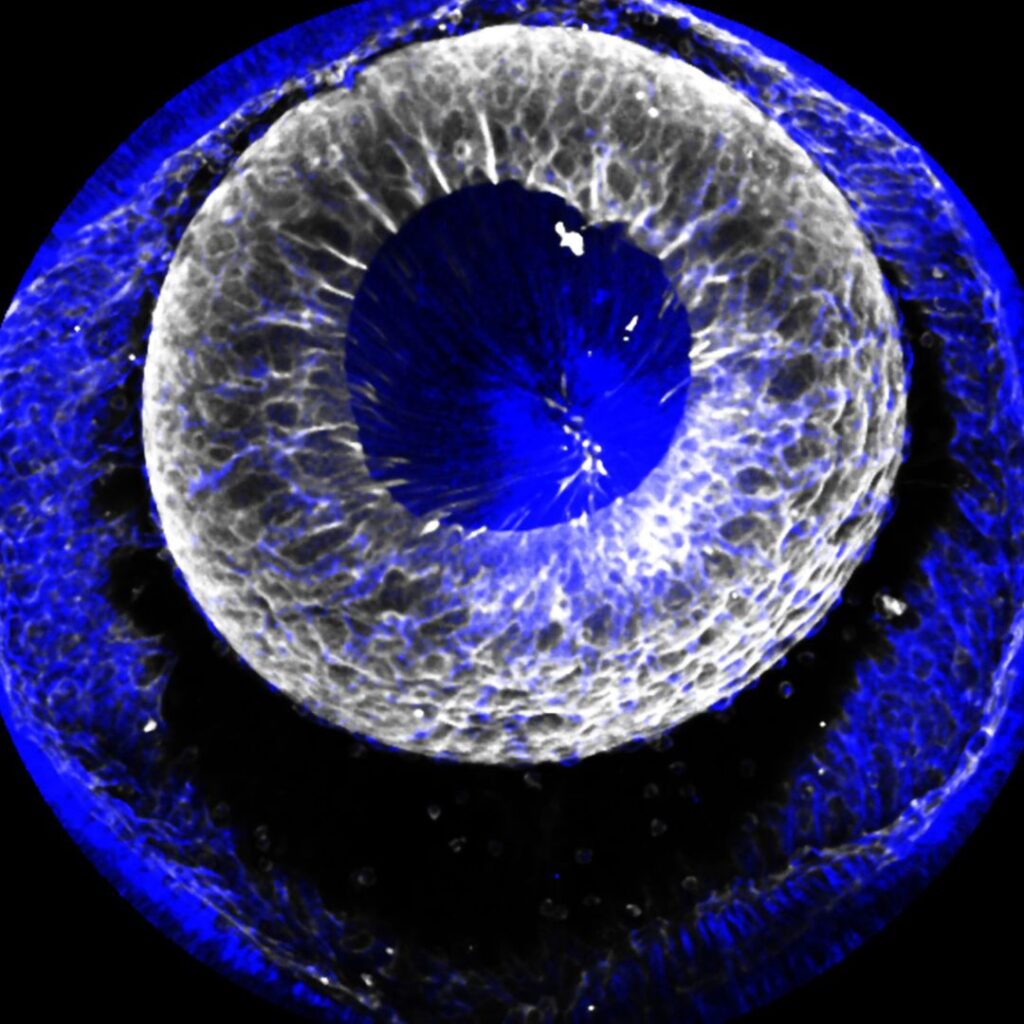
Blindness from corneal disease affects 10 million people globally. The outermost layer of cells that cover the cornea are critical to its clarity and are produced by stem cells at its edge, called limbal stem (LS) cells. LS cell deficiency can be caused by trauma, infection or faulty genes, and is a major cause of blindness. We have developed a method for transplanting LS cells onto affected eyes via special contact lenses. However, the source remains problematic: obtaining LS cells from the other eye carries risk for that eye, and donor LS cells are often suffer immune rejection. The derivation of LS cells from patient-derived induced pluripotent stem (iPS) cells could overcome these problems. iPS cells are obtained by “re-programming” blood cells into a state that can give rise to multiple cell types. As a proof of principle of our approach, we have recently shown that iPS cells can be converted into LS cells by treating them with a special cocktail of drugs and proteins. To translate this method to the clinic, we now need to increase the efficiency of this process and enable it to occur on our special contact lenses, so that they can be transplanted safely and with ease.
Mechanisms of epithelial stratification
Projects: Honours or PhD
Project details
Primary Supervisor: Associate Professor Guy Lyons
Supervisory Team: Guy Lyons, Mojdeh Abbasi
Centre: Cancer Innovations
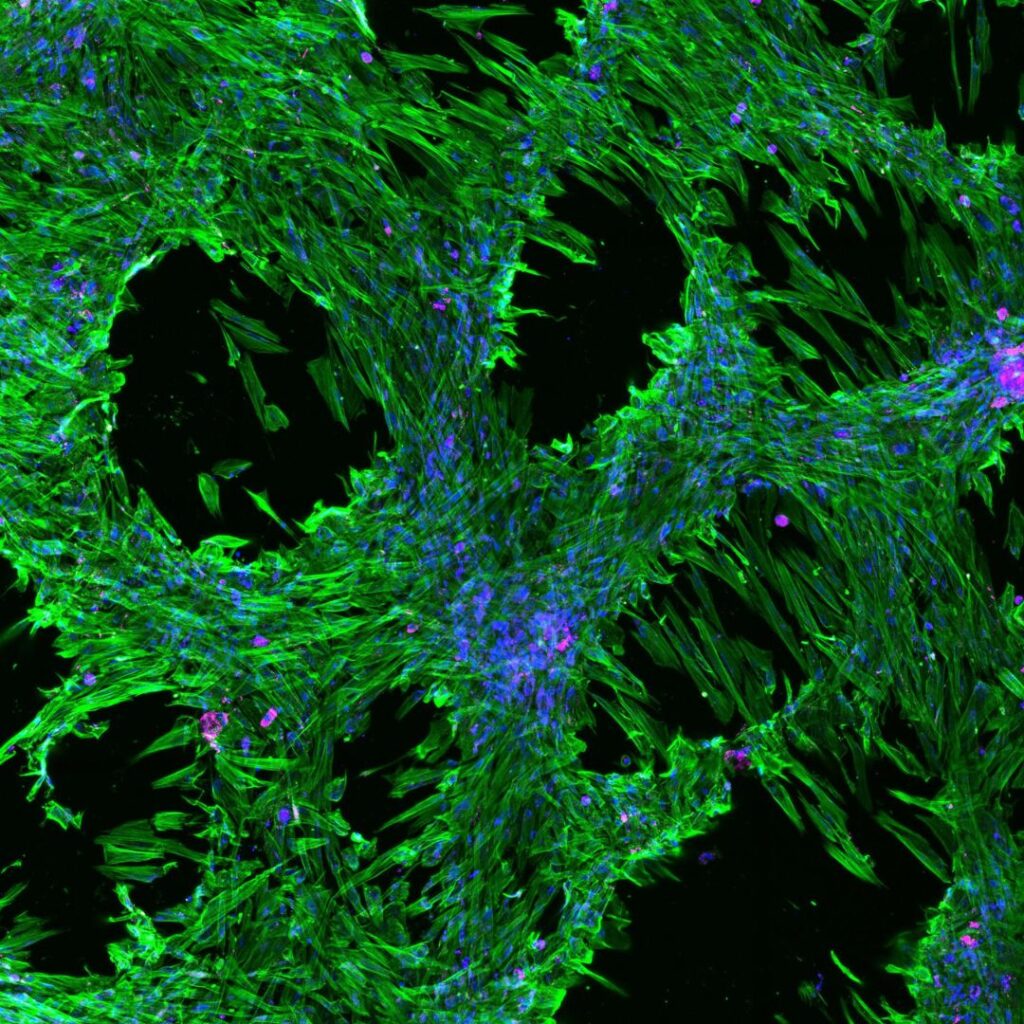
The epithelial cells that cover the surfaces of our skin, corneas and oral mucosa are multilayered, or “stratified”. This provides physical strength to resist abrasion and forms a barrier to the movement of molecules, microorganisms and UV radiation. In contrast, the “simple” epithelial cells that line the intestines, lungs and glandular tissues grow as a single, 2-dimensional layer. This simple growth pattern is relatively fragile, but facilitates the rapid passage of molecules across it. Thus, the ability to grow as a 3-dimensional array of cells is the characteristic that defines the distinction between these two fundamental types of epithelia, but the cellular mechanisms that regulate stratification are poorly understood. Mutations in the genes that regulate epithelial stratification could conceivably contribute to epithelial cancers by enabling inappropriate stratification without the blocks to cell replication that normally accompany it. In this project, the student will investigate epithelial stratification using a human corneal epithelial cell line grown in culture. The roles of particular genes in epithelial stratification will be determined by altering their expression using gene editing and/or RNA interference approaches. The degree of stratification and organisation of the cells will be determined from live cell imaging and immunofluorescent staining combined with advanced laser-based microscopy techniques.