

Britton Laboratory
Developing new vaccines and drug leads to improve the control of Tuberculosis (TB) and other mycobacterial diseases.

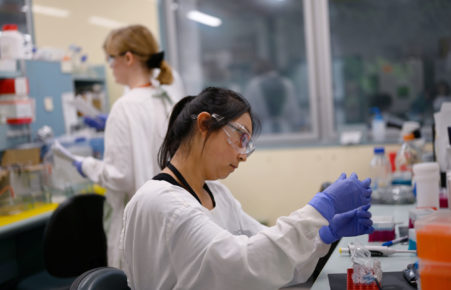
We have identified protein components of mycobacteria that stimulate protective immunity against experimental TB infection in the specialised PC3 facility at the Centenary Institute.
Currently we have an NIH contract, “Advancing Vaccine Adjuvant Research for TB” to determine which are most effective adjuvants to combine with the TB proteins as new vaccines for TB. TB is a lung infection and we also develop new vaccines to deliver directly to the lung to protect against TB.
We are using these techniques to develop vaccines against SARS-CoV2 that we test in our PC3 facility in collaboration with Prof Phil Hansbro in the Centre for Inflammation. In addition, we investigate the impact of SARS-CoV2 on TB and other chronic lung diseases.
In collaboration with Professor Carl Feng (USYD) we investigate the pathogenesis and spatial immune responses in TB in human samples and mouse infection models.
Professor Britton has a long-standing collaboration with Professor Payne in School of Chemistry (USYD) on developing TB drug leads, with a current focus on the protein degradation system of mycobacteria With Dr Mark Larance (USYD) we study effect of drug leads on the proteome of M. tuberculosis.
Professor Britton has led two NHMRC Centres of Research Excellence on TB Control (2012-24) and currently is co-lead on the PEARL+ project to find and treat TB and leprosy in Kiribati that has exceptionally high rates of both these infections. This is funded by the MRFF and a new Regional Health Partnership award from DFAT.


- Tuberculosis
- COVID-19
- Vaccine development
- Drug development
- Community control of tuberculosis & leprosy
- Immunology of infectious diseases
- Mycobacteriology
- Drug testing
- Vaccine development
People
-
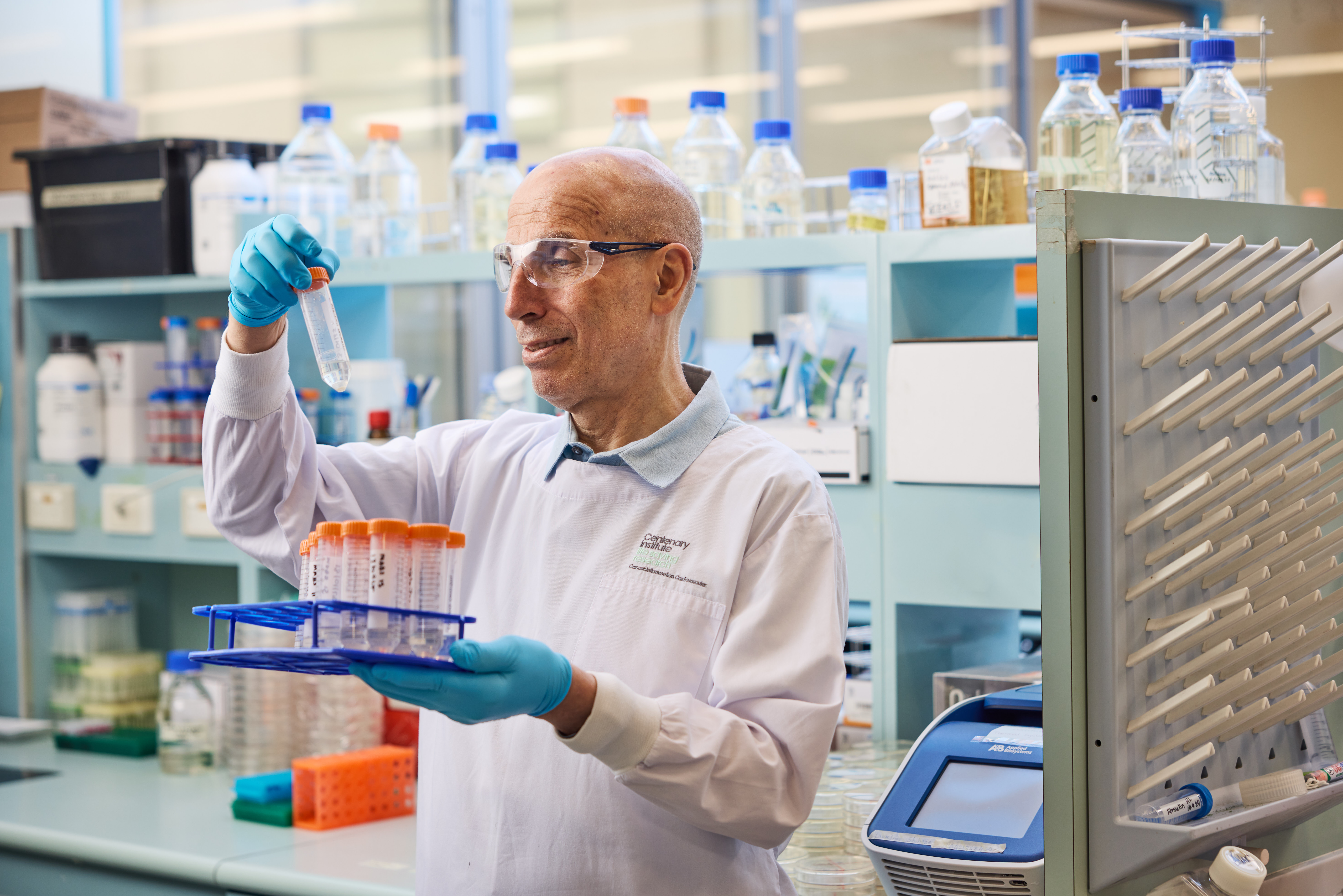
Professor Warwick Britton
Laboratory Head
-
Professor Angelo Izzo

-
Dr Isaac Sakala
Senior Research officer
-
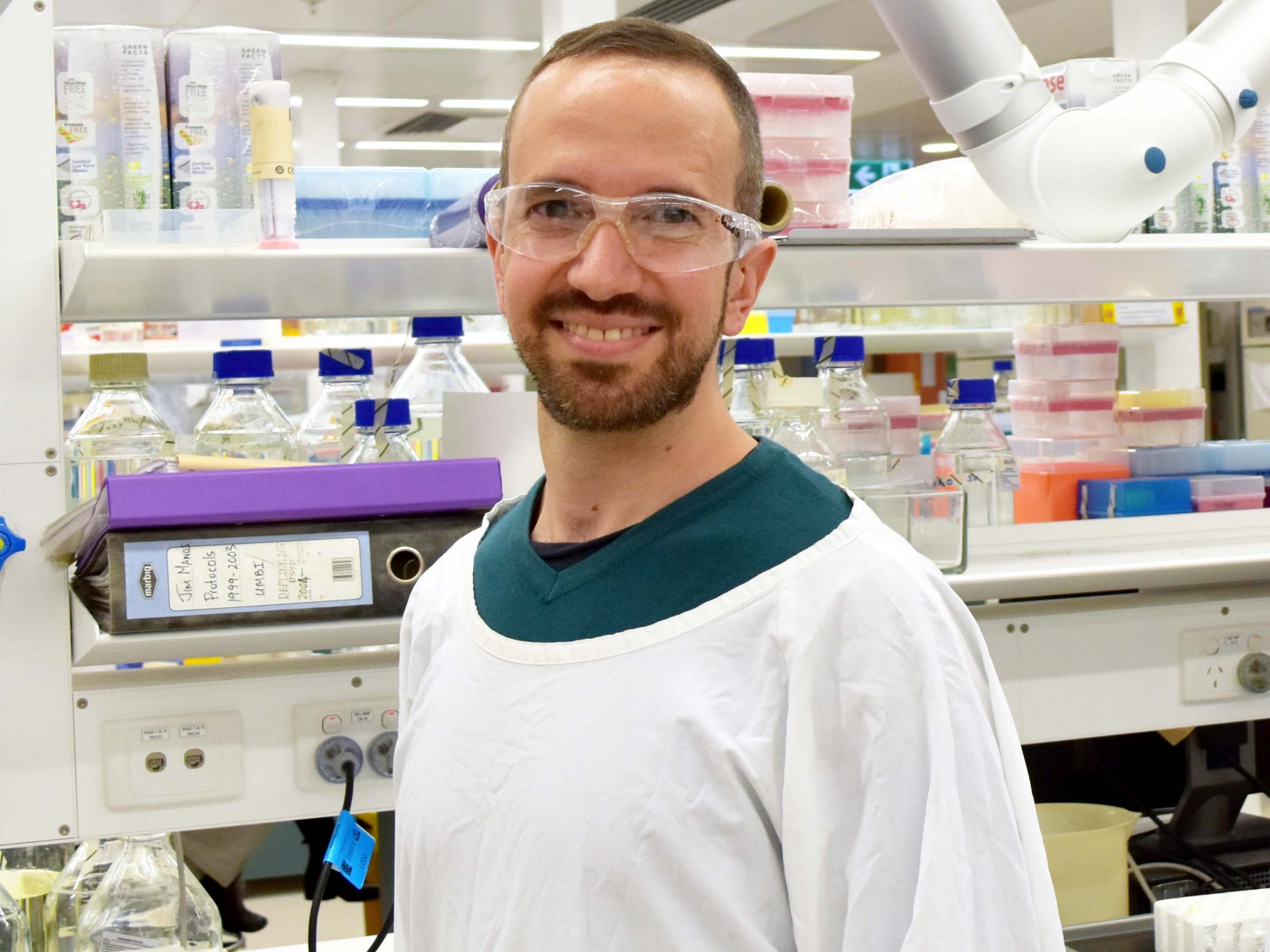
Dr Claudio Counoupas
Senior Research officer
-
Dr Max Stevens
Research Officer -
Linda Izzo
Senior Research Assistant -
Trixie Wang
Research Assistant -
Dr Jeremy Hill
PEARL, Kiribati medical lead -
Ms Mirna Moucharrafie
Research Assistant -
Dr Snega Sinnappan
Research Coordinator AVAR-T -
Ms Kerrie Shaw
PEARL Research Coordinator


Student opportunities
To learn more about student opportunities in the Britton Laboratory and for all general enquiries relating to our work, please contact Professor Britton. Current opportunities are below.
Understanding tuberculosis vaccines
Projects: PhD & Honours
Project details
Primary Supervisor: Professor Warwick Britton AO & Professor Angelo Izzo
Supervisory Team: Linda Izzo
Centre: Infection & Immunity
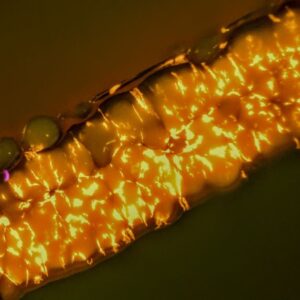
To develop new tuberculosis vaccines we need to better understand the triggers associated with innate immune cell activation. This project will examine the early interactions between vaccine components and cells of the innate immune response.

Novel newborn vaccines for the prevention
of tuberculosis
Projects: PhD & Honours
Project details
Primary Supervisor: Professor Warwick Britton AO
Supervisory Team: Professor Angelo Izzo and
Dr Isaac G. Sakala
Centre: Infection & Immunity
Tuberculosis (TB) remains one of the deadliest infectious diseases worldwide, and the rise of
multi-drug-resistant strains of Mycobacterium tuberculosis (Mtb) exacerbates the situation.
Although the Bacillus Calmette-Guérin (BCG) vaccine has been used for over 100 years as
the standard TB vaccine for newborns, it is only partially effective and has had limited impact
on global TB control. A successful TB vaccine for newborns could dramatically transform
global control efforts by significantly reducing TB-related illness and death. We are
developing novel multistage TB vaccines using various new-generation adjuvants that induce
protective immunity against pulmonary Mtb infection in adult mice. Our previous research
has shown that these adjuvants promote protective immunity when used in inactivated and
subunit influenza vaccines in newborn mice.
This student project aims to explore various combinations of new adjuvants and Mtb protein
subunit antigens in an innovative model of newborn immunisation for protection against
pulmonary Mtb infection. These studies will investigate the early and long-term immune
responses induced by different protein/adjuvant vaccines in newborn mice and determine
how these responses correlate with protective efficacy against aerosol Mtb challenges.
Opportunities: The project will provide extensive training in cellular immunology including advanced immunophenotyping of innate and adaptive immune cells using flow and mass cytometry, multiplex cytokine assays and scRNA-Seq technology. The student will be part of an international network of scientists conducting cutting edge vaccine antigen/adjuvant and drug discovery research, vaccine
research and development, and contributing to the global control of TB epidemic.